 WritersLock
How to Stop Scrolling on Your Phone for Good
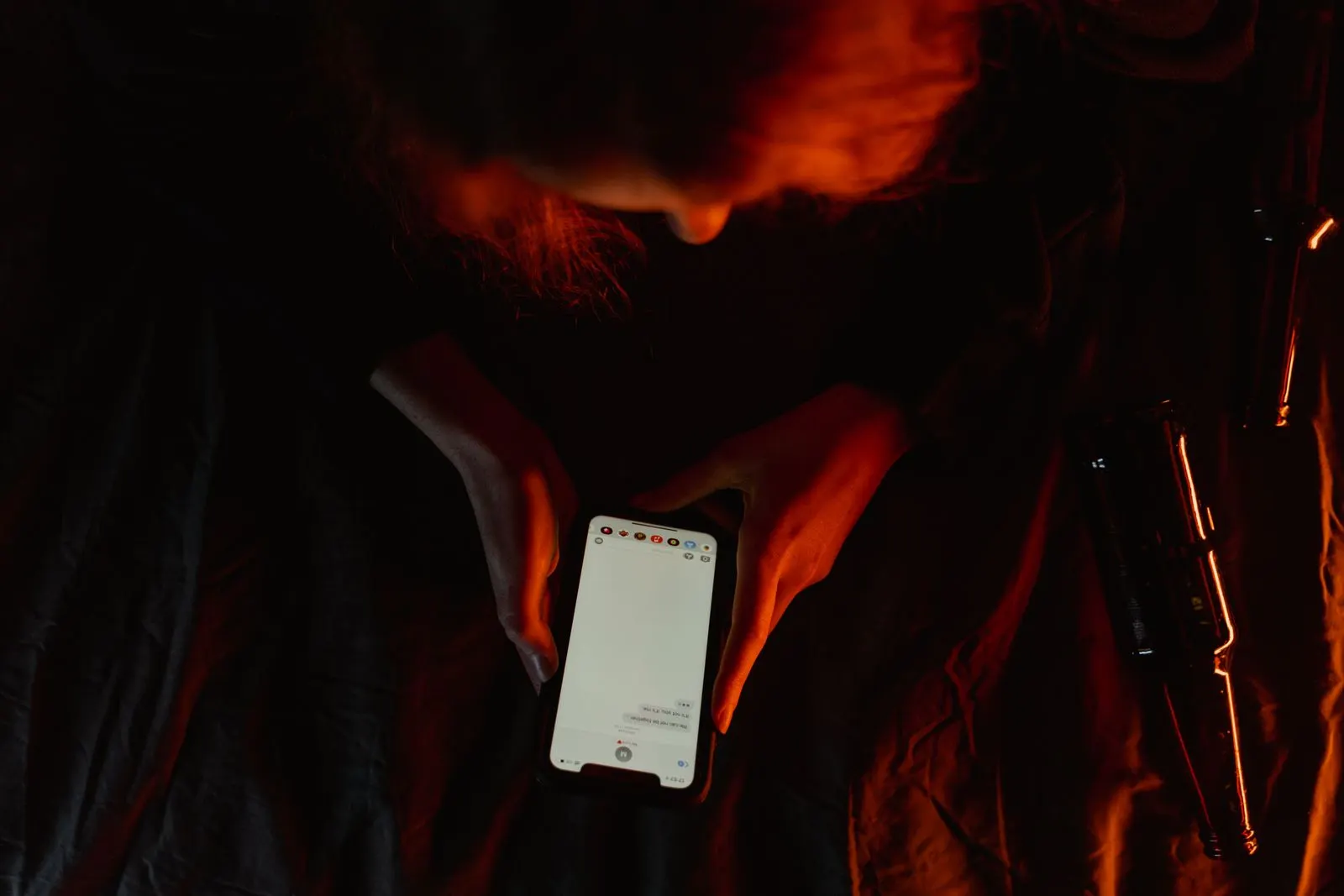
You did not decide to spend forty minutes scrolling. You picked up your phone to check one thing, and the next time you looked up, most of an hour was gone. If that is familiar, the problem is not weak willpower. It is that the apps are built to keep you there, and you are trying to out-muscle a system designed by people whose job is to stop you from putting the phone down.
This is a guide to actually stopping, built around how the habit forms rather than around trying harder. For the specific case of anxious news and feed spirals, see our companion post on how to stop doomscrolling. This one is about the everyday scroll.
Why scrolling is so hard to stop
The pull comes from a reward loop. You scroll, and every so often something genuinely interesting shows up. You cannot predict when, so your brain keeps you swiping to find out. It is the same mechanism that makes slot machines work, and feed apps use it on purpose. Psychologists call it variable reward, and it is very good at overriding your intention to stop.
Two things make it worse. The feed never ends, so there is no natural stopping point. And the phone is always within reach, so the habit has zero friction. Put those together and "just one check" turns into a session almost every time.
Knowing this matters, because it tells you where to aim. You do not beat a frictionless, endless, engineered habit with more discipline. You beat it by adding friction and by giving the moment a different default.
What actually works
Add friction between you and the apps
The easier something is to start, the more you do it. So make the scroll harder to start.
- Move the tempting apps off your home screen and into a folder on the last page. The extra taps break the autopilot reach.
- Turn off notification badges for social apps. The red dot is a manufactured itch.
- Log out, so opening the app means typing a password. That small delay is often enough to make you reconsider.
- Try grayscale mode. A gray feed is markedly less compelling than a bright one, which is the point.
None of these are dramatic on their own. Stacked together, they slow the reflex enough that you notice yourself doing it, and noticing is half the battle.
Replace the habit, do not just delete it
You reach for the phone to fill a gap: boredom, a lull between tasks, the first blurry minute of the morning. If you take scrolling away and put nothing in its place, the pull just comes back. So give the moment a different job.
Writing works especially well for this because it fills the same gap scrolling was filling, the need to do something with an idle mind, but it leaves you better off instead of worse. A few minutes of journaling in the slot where you would normally scroll turns dead time into something useful.Morning pages are a strong version of this for the first hour of the day.
Protect the morning first
The morning scroll sets the tone for the whole day. Reach for the feed before you are fully awake and you have handed your attention to other people before you have decided what you want to do with it. Guard that first stretch. Keep the phone out of reach overnight, or make the first thing you do a few written lines instead of a swipe.
Set times, not just limits
Vague goals like "scroll less" fail because they have no edges. Decide when scrolling is allowed and when it is not. No phone for the first hour after waking. No feeds after nine at night. Clear boundaries are easier to keep than a fuzzy intention to cut down.
Why screen time settings usually fail
Most phones have built-in limits, and most people blow straight past them. The reminder pops up, you tap "ignore," and you keep going. The limit relies on the same willpower that failed you in the first place, at the exact moment it is weakest. A reminder you can dismiss in one tap is not really a boundary.
What works better is a boundary that asks for something in return before it lets you through. Instead of a limit you can wave away, you have to complete a small, worthwhile action first.
Trade scrolling for something you meant to do
Change the default, not your discipline
This is the idea WritersLock is built on. Rather than nagging you to use your phone less, itlocks your distracting apps until you have written today's journal entry. The feed stays shut until the words are down, then it opens back up for the rest of the day.
It works because it changes the default. The path of least resistance stops being an open feed and becomes the thing you actually wanted to do. You are not fighting the urge with willpower at seven in the morning, which is a fight most people lose. You are putting one small task in front of the feed and letting that do the work. Over time the writing becomes the habit and the reach for the phone loses its grip.
Put writing before the feedQuick questions
How do I stop scrolling first thing in the morning?
Keep the phone out of arm's reach overnight and give the first few minutes a different job, like writing a short entry. The reach for the phone is a habit, and habits break when the easy option changes.
Do screen time limits work?
For some people, a little. For most, not much, because they are one tap to ignore. A boundary that requires an action before it unlocks tends to hold better.
Is scrolling really that bad?
Scrolling itself is not evil. The cost is the time and attention it quietly takes from things you would rather be doing. If it is displacing sleep, focus, or a habit you care about, that is the signal to rein it in.
Start tomorrow morning
Want scrolling to stop beating the things you actually care about?See how WritersLock puts writing before the feed and start tomorrow morning.
Write first, scroll later
Beat the scrolling habit with a better default.
WritersLock locks your distracting apps behind a daily writing habit, so the path of least resistance becomes the thing you meant to do, not the feed.
Get the app